These two workshops took two days and involved making our own fairy tales stories, books, sculptures and films! Can you imagine the amount of art work we made? We spent all the time working in the playground as in the day time it is very sunny here. I wonder if the schools in England have found where the Life Vision Academy is. Try using the maps on the internet, here are some clues: Bhatapur, Gatthagar and Kaushaltar. Maybe you could email me a picture of what you find (andy@yetifairytales.com).
The children here had done lots of drawings while I was away writing on the website. Doing creative art at school is very new for them so they have started by coping pictures from their own story books. They books have stories from all over the world including England. There were stories like Red Riding Hood, Pooh Bear and Peter Pan. I hope you are enjoying the books on the book shelves and the books that Seven Stories have sent you to read in class. I look forward to seeing your articles about them on the website. I also look forward to reading more of your own creative stories; I will probably have to read them by candle light as there are lots of power cuts here (14 hours a day!). can you imagine what that would be like in England?

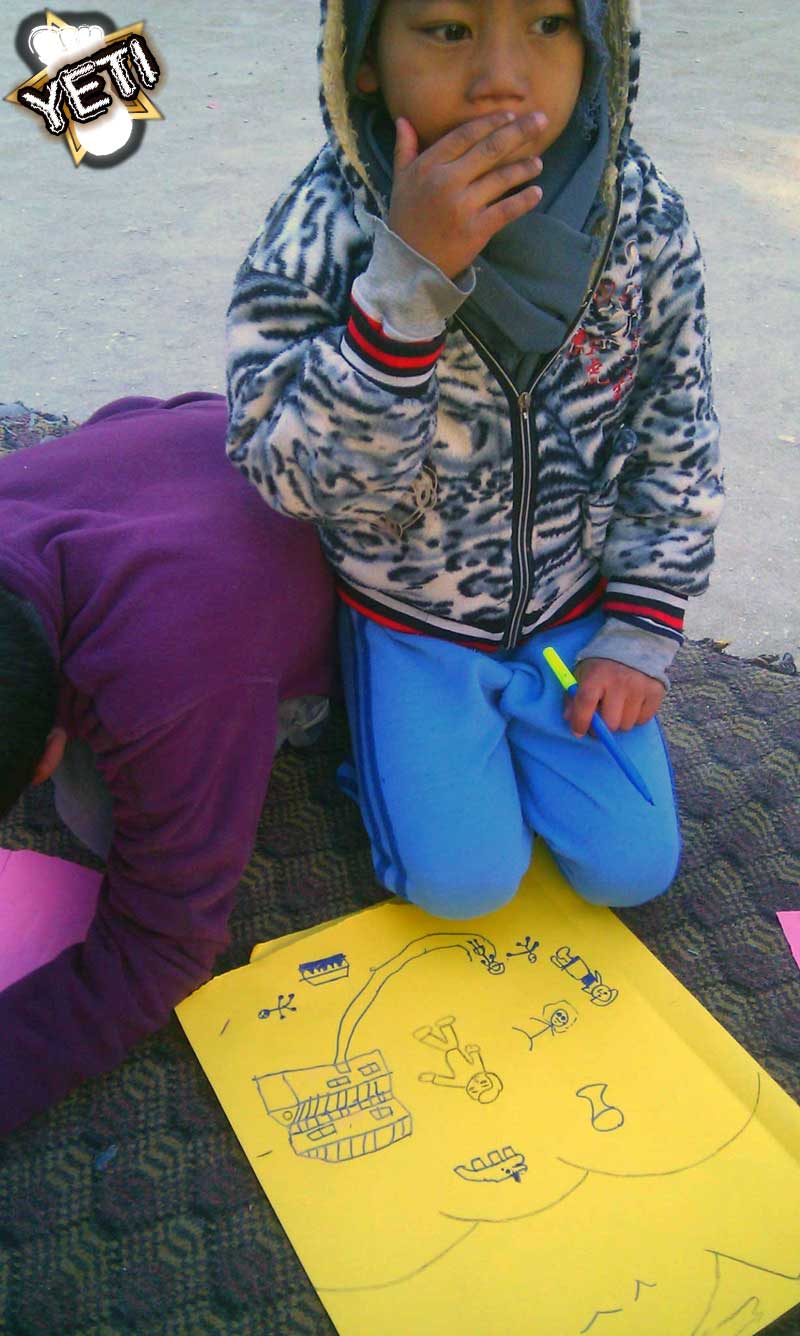
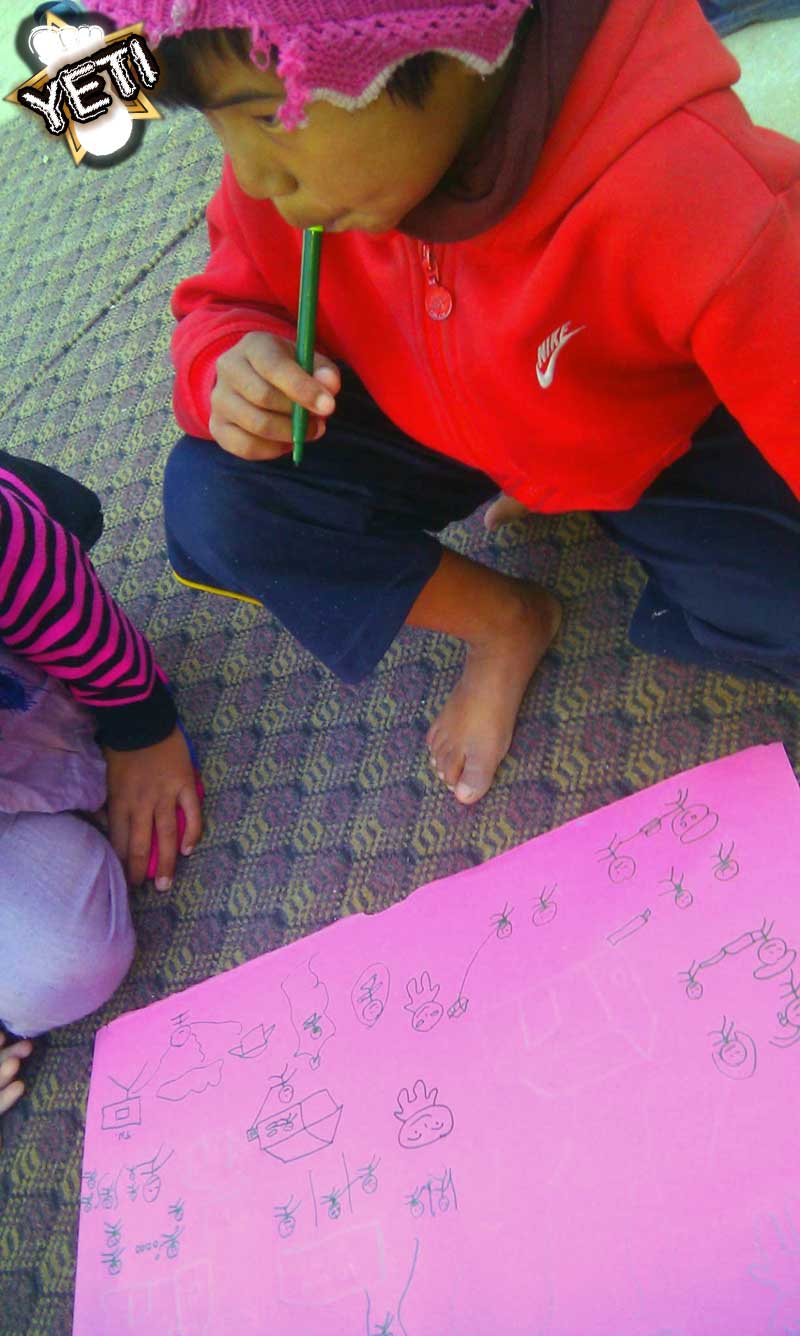
The children designed their stories around six main parts. A hero, villain, saviour, magic creature, a map and a mystery (the last one with their eyes closed). I wonder if the children back in England can remember similar pictures and sculptures they made. Ask your teachers or take a look in the galleries on the website if you have forgotten.
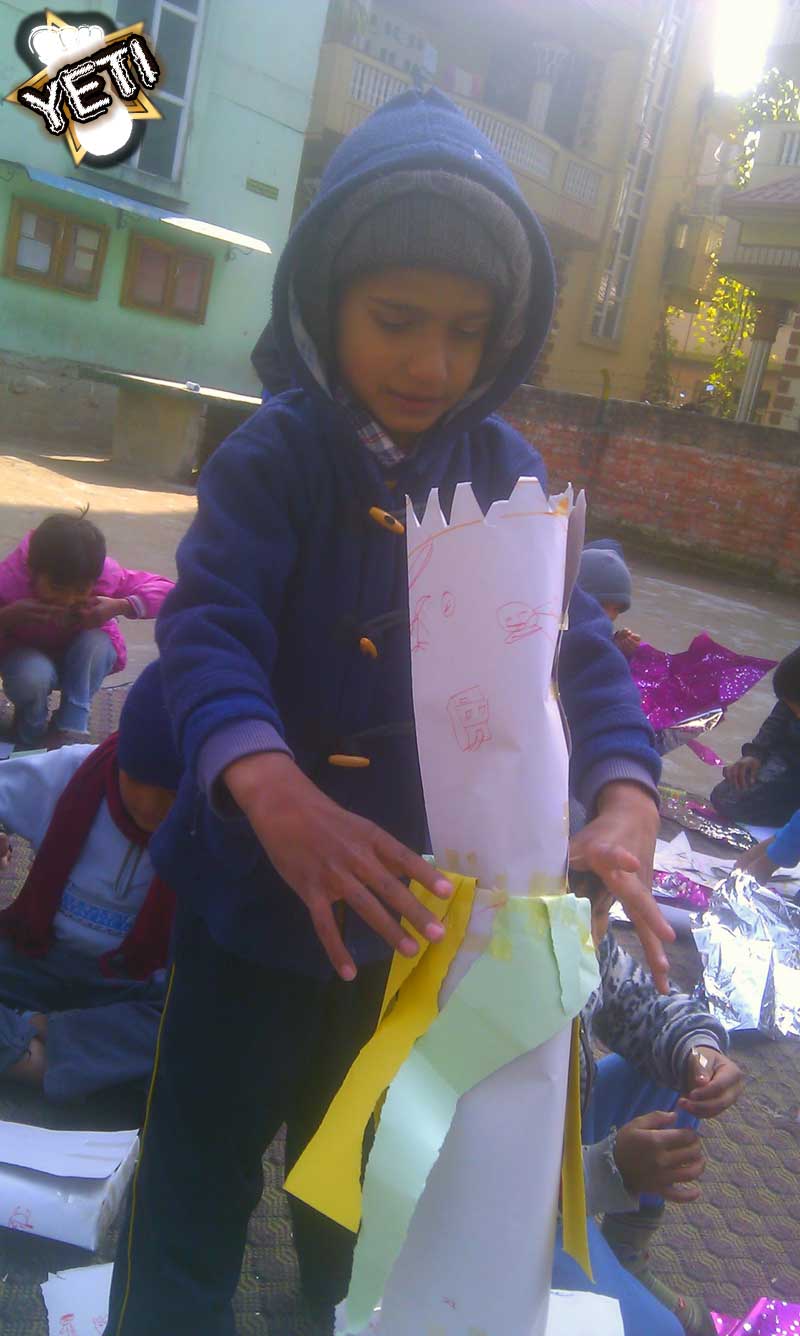
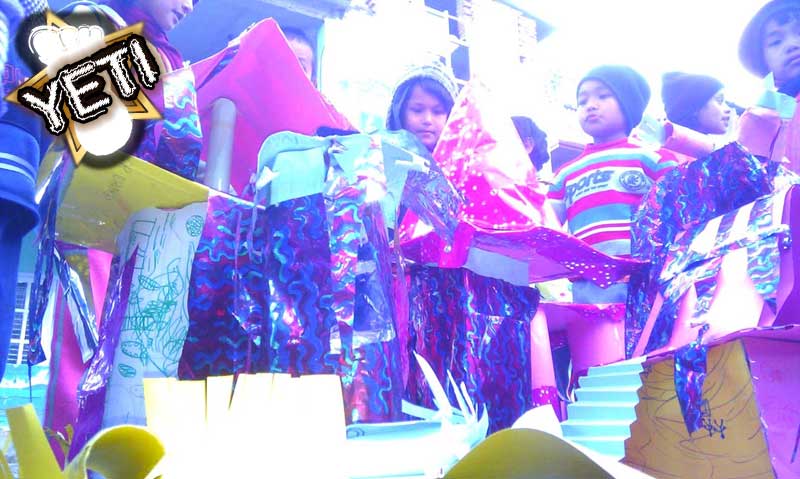
After making our own stories we divided into groups with the seniors deciding one story each and making a sculpture of the most important part of the story.
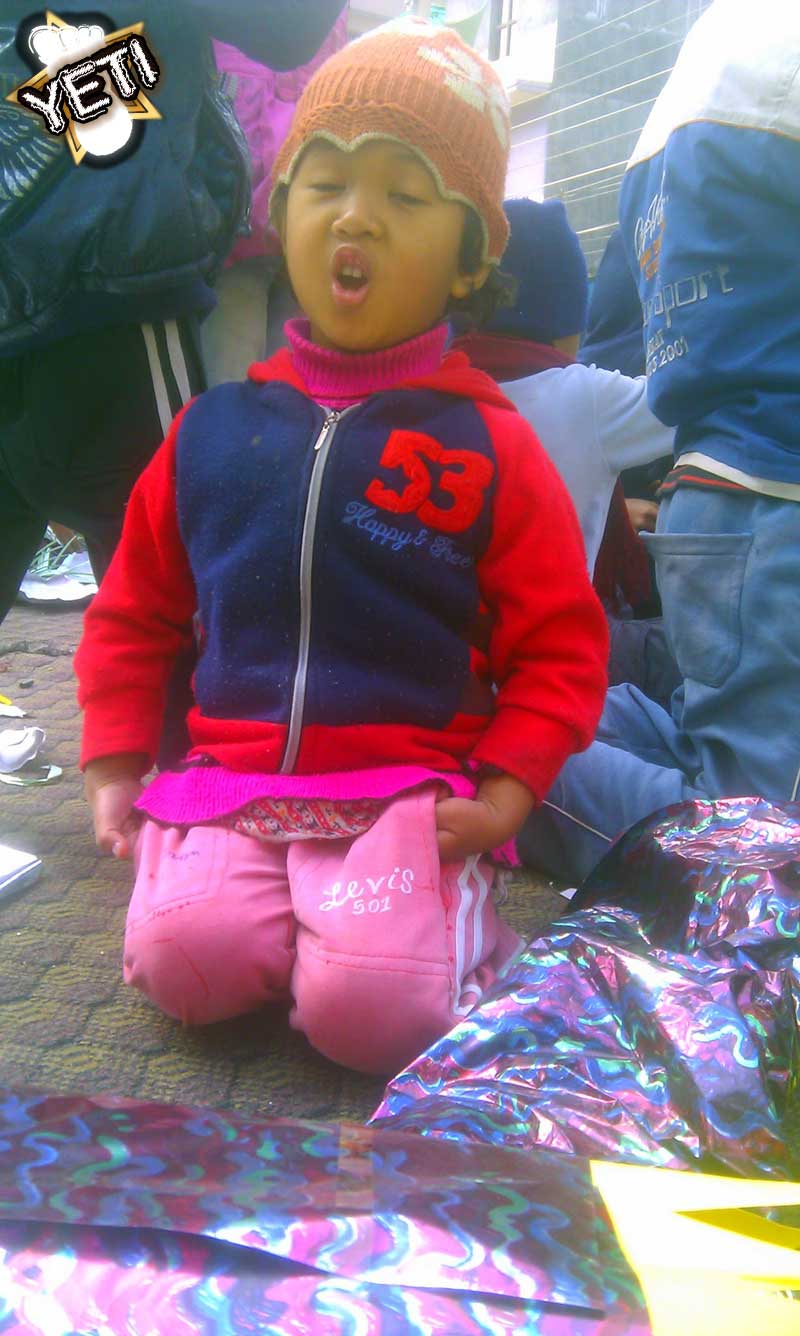
Most of the stories were in Nepalese so the groups spent a long time translating them into English. It would be great if the students back in England could translate their stories into Nepalese so I can read them to people here in their language. Don’t panic! The stories were very short, only one page long.

Some of the tales were very inventive and reminded me of fairy tales I have hunted for before. Can you remember a story with a face with no-body like the one below? I think it involved a magical cat up a tree.
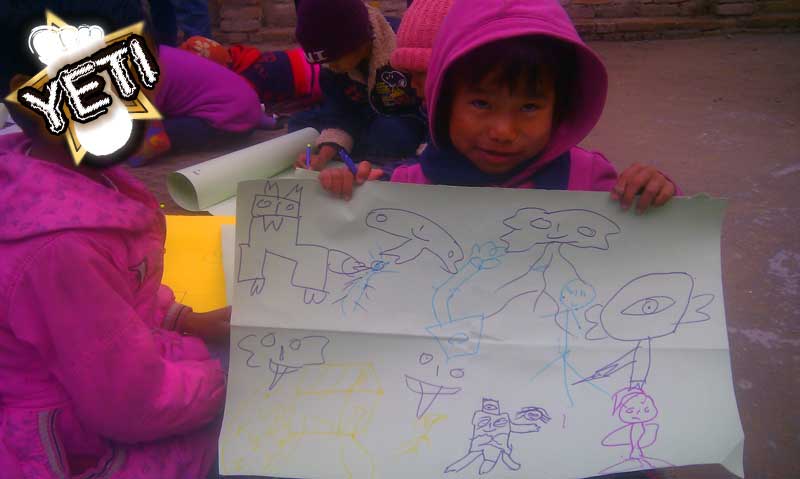
Some of the stories were very scary, just like some of the fairy tales I have found before. There were great battles, lost princesses and giants who were sometimes said because no-one liked them anymore.
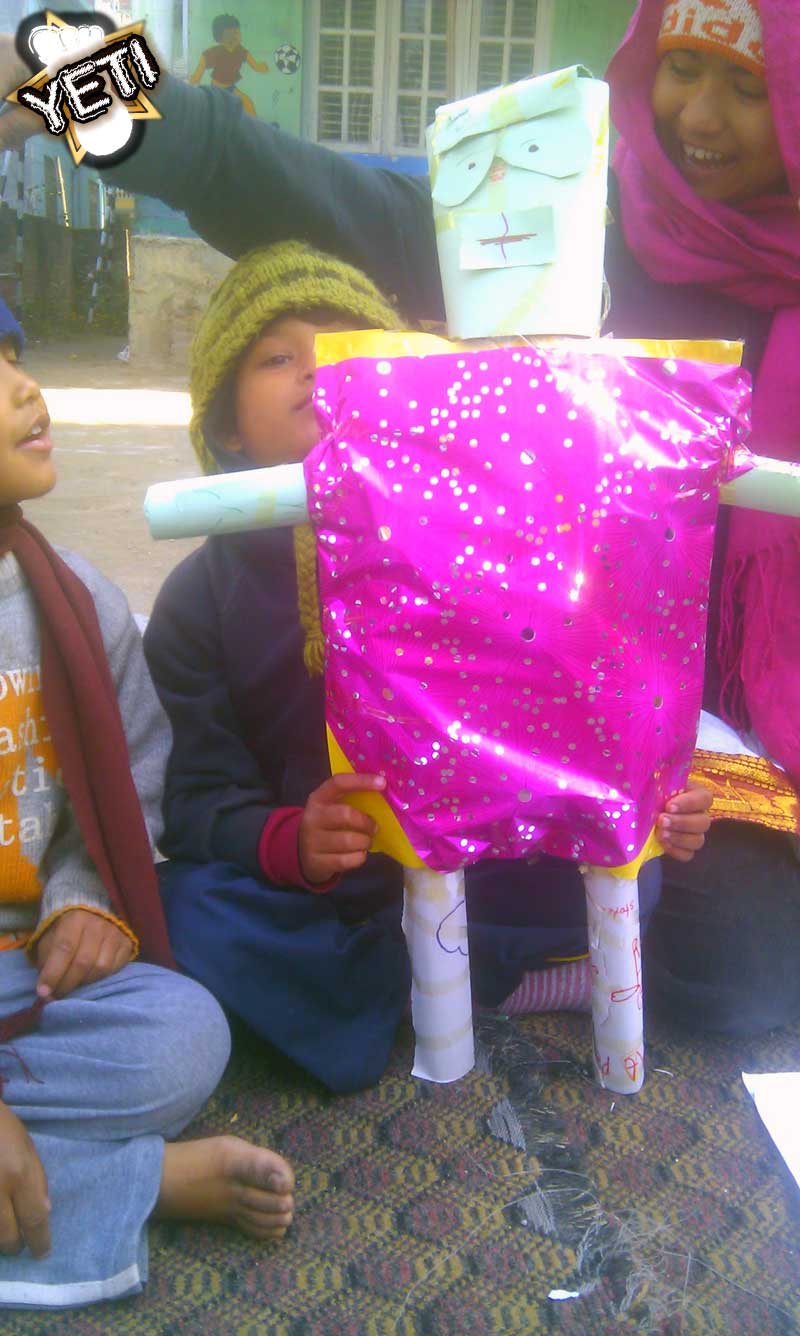
All of the stories finished with happy endings and we all learnt amazing things about how humans grow up.

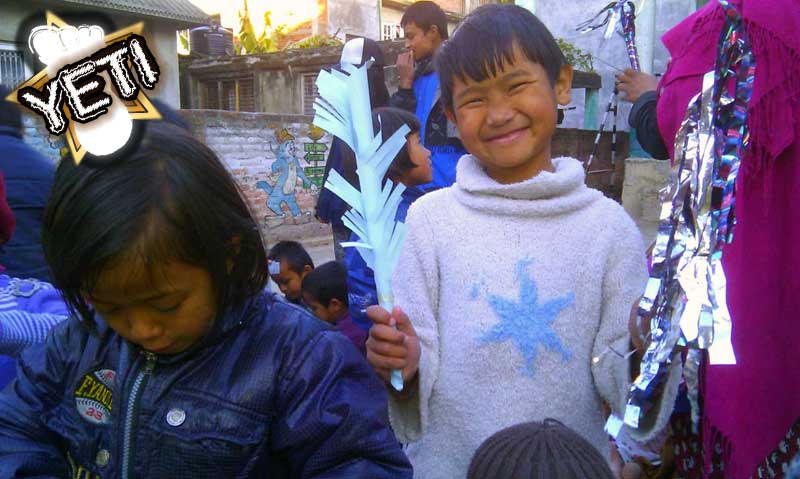
The pictures below are of the groups presenting their stories to the rest of the school. Each story was supposed to last for one minute, so I could video them, but the stories were so full of adventure that they went on, and on and on! Some times for ten minutes. Look out for the videos on the website as the school practices them while I am away in the mountains. They children have given me a mission and a place to go to, so look out for future article sand blogs about my hunting adventures.


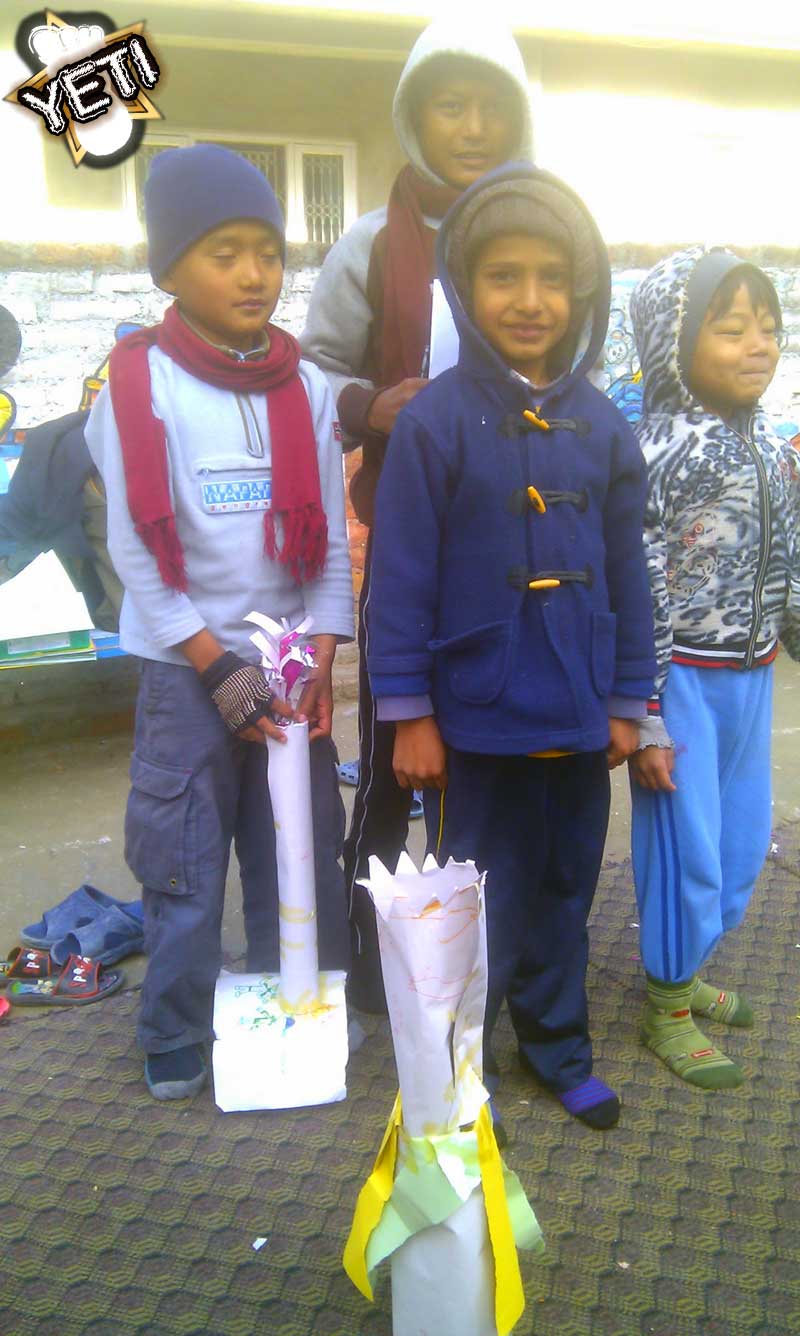

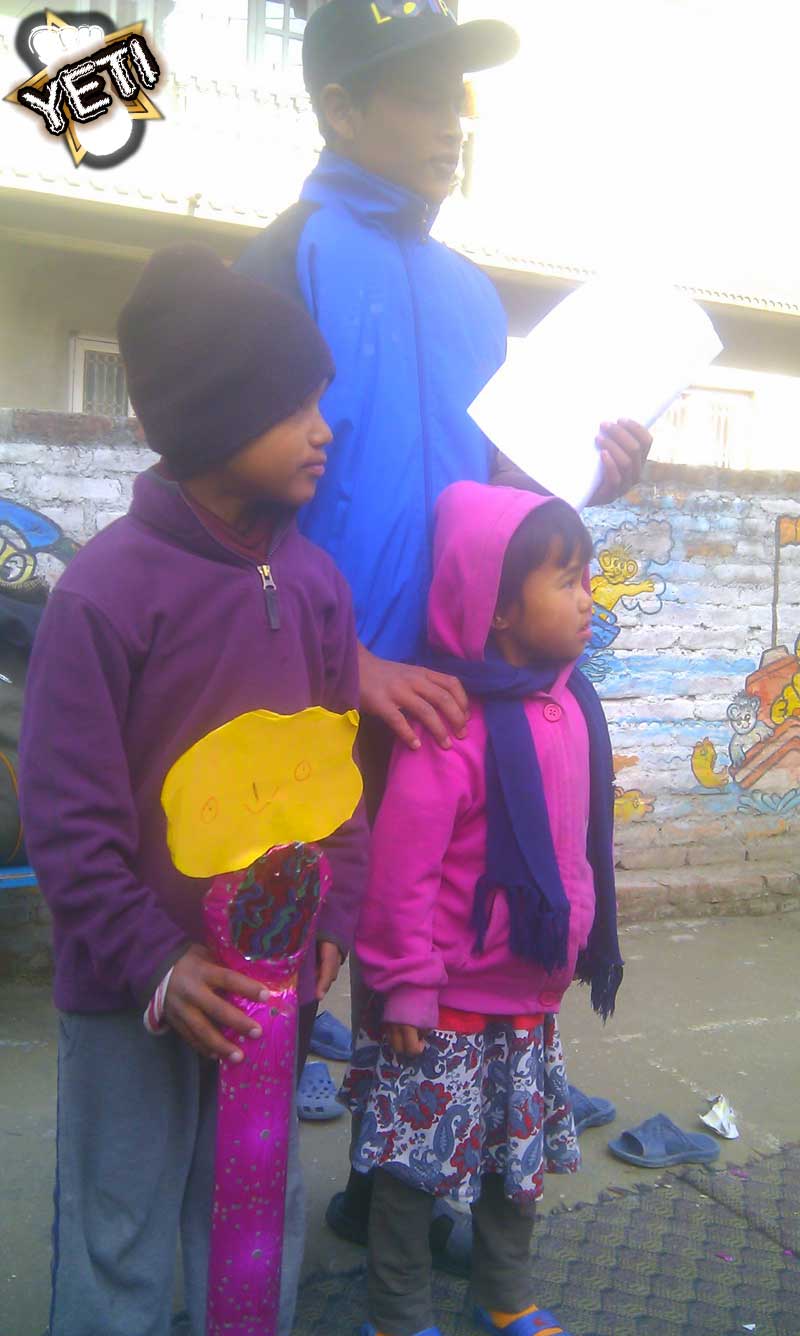
Hero Workshops
Life Vision Academy Monster Workshop
Today we imagined just what we could do if we were monsters. The students of Life Vision Academy had lots of fun creating mysterious and fantastical creatures with special powers. Here is one who has many eyes. He can see where ever you are….even when you asleep!

Just in case some of the monsters were dangerous, the students decided that they would have to keep them in a special park. So we invented special characters and tools to catch them. We decided that the park should be very big and that the monsters should be given everything they needed. What do you think they will need to be happy?

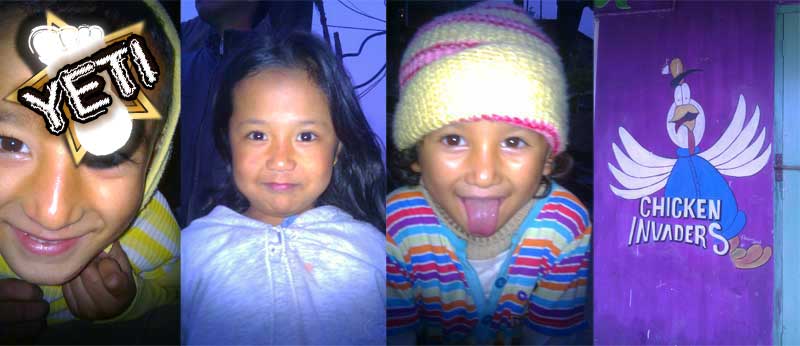
One of the monsters was very friendly and wanted to open a school for the younger monsters to learn about humans. He has very big horns so he can tune in to television and internet signals. Do you think he can speak human languages? If he can not it would be good if you could invent something for me to help him translate. I wonder what the yeti children look like? I wonder if you know. I think it would be good if you could draw them for me so I can put them in my box of tricks with your special fairy tale hunting tools.
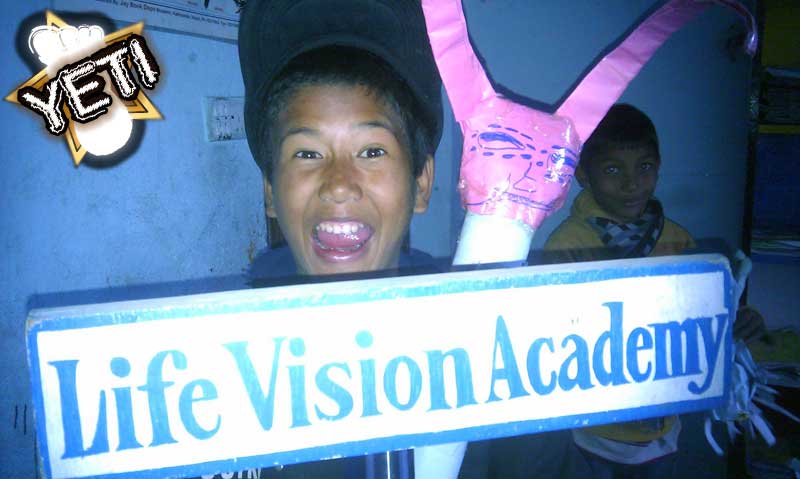
The students are very excited to find out if there are any fairy tales of the yeti out in the mountains and this monster is a yeti who is very happy that we want to listen to his stories. His is one thousand years old! He says that we can come and stay in his cave, but he has forgotten where it is. Maybe we can help him find it again. Where do you imagine it may be?

One monster wanted to come and live in Life Vision Academy. He has very long arms to protect the children in the school and to keep them warm.

The workshop with the senior students concentrated on introducing them to the web-site. The school here has no internet access, so we had to visit a cyber/internet café. We used the idea of making books as a lead into film making. The students took turns in making their first films. Can you think of the jobs they had to do? To start with there was a camera operator, a person for lighting, a news reader, a presenter and someone who held up words (auto cue). We will have to go in small groups to the cyber café as it is very small.
We had a very long day together as now that exams are over here the students are on holiday for two weeks. As most of the children have no family homes they will stay in the school house next door. I will be seeing them from now on once ot twice a week as I am about to start travelling into the mountains to record fairy tales. Look at the “mission blogs” in the control centre, for more details of the results of what you have told me to do. It is great to receive a mission every week as we use the internet and our web site as an art tool.

Fish Daughter and Mane Workshop
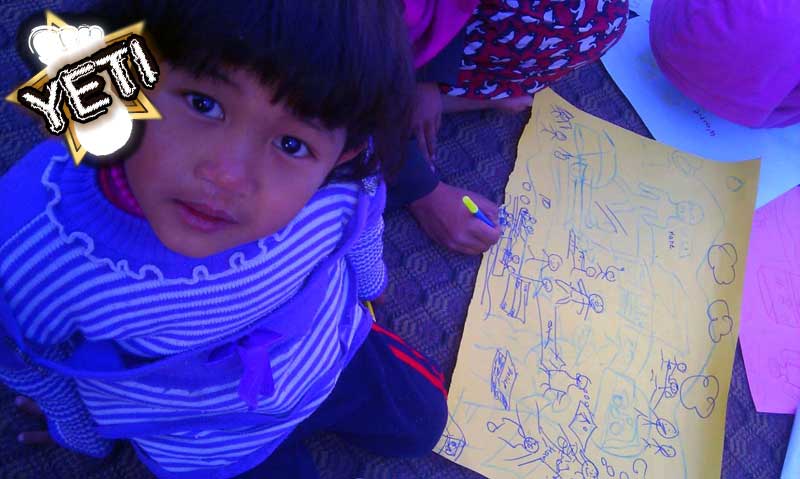
The story goes something like this:
Once upon a time a small boy called Mane (which means “heart” in Nepalese) lived in a palace. He lived all alone as his mother and father had died when he was a baby. Many people had visited over the years to try to take the palace from Mane, saying that they were his long lost relatives. When he was nearly ten years old a man called Hurry (this is a river name in the Kathmandu valley) came to the palace and told him many things about his family history that made Mane believe that he was his long lost uncle from the south. However what Mane did not know was that this man was no telling the truth and had only worked for his family when he was a baby.
Hurry and his wife took the palace and plotted to kill Mane by hiring two Hench-men. The Hench-men gagged Mane and tying him up them through him into the Bagmahati (the largest river of Kathmandu). Thinking he was dead the Hurry household told everyone in the valley of their great sorrow at the loss of Mane and they inherited the palace and laid on a great ceremony in honour of his past and sadly short life.
Meanwhile in the river Mane sank to the bottom where he was seen by the fish people. The fish princess was very surprised that he was still alive and thought him very beautiful and took him to the fish palace. When Mane opened his eyes he could see lots of jewels and a beautiful garden with a golden waterfall. His bed was made of partic (this is a special local stone that purifies water) and he was surround by fifty beautiful fish maidens. He was afraid saying “where am I?”, but the fish princess told him to be calm and that all is ok. This is what happened and Mane and the Fish Princess played for many years and fell in love.
The fish princess and Mane decided that they would get married, but when the fish princess took Mane to her father the king he said that he would kill him, because he was the son of man. However on reflection the king wondered whether Mane could help him? The Fish King said that if Mane could kill Serpent Raja (the King of Snakes) then he could be his son. Mane was worried that he could not do this so he went back to the land to discover what he could do. There he found an old friend Manuhar (the name of a river in the valley) and asked him what to do. He said that he should employ the help of the giant Narimouso (this is a mythical Nepalese beast, like a cross between a rat and a lizard. In Nepalese there is often a confrontation between a rat, a frog and a snake. Even though they are all fierce animals when they are all together they can do nothing, because they all eat each other in a big circle, so therefore the stale-mate means that nothing can go wrong in life). The giant rat went into the river and ate all the snake army and the snake king.
The king of the fish was very pleased and said that his daughter could marry Mane and that he could have all his land and jewels. Over the years back on the land the Hench men had stolen the entire palace so the Hurry’s were now poor. After some time Mane and his Fish Queen visited the people of the land and the Hurry couple were so surprised to see them that they dropped dead on the spot.
Life Vision Academy Wood Cutter Workshop
Hunting For Fairy Tales of the Yeti
Life Vision Academy Wood Cutter Workshop
Our first workshop was very exciting after a first meeting celebrating Christmas together in the play-ground, and surprise surprise the school have given me a home next to school, so we can do a lot of work together very easily.
You will find the gallery of pictures from the first workshop on the web-site. The pictures may be a little dark around the edges as we did most of our work by the light of my head torch (…a useful tool in my bag of tricks….I wonder what else you have hidden in there for me to use?).
The theme of this workshop followed the old Nepalese story of the Wood Cutter. It goes something like this:
Once upon a time, a poor wood cutter who lived in the country went out to cut wood to build a home for his family.
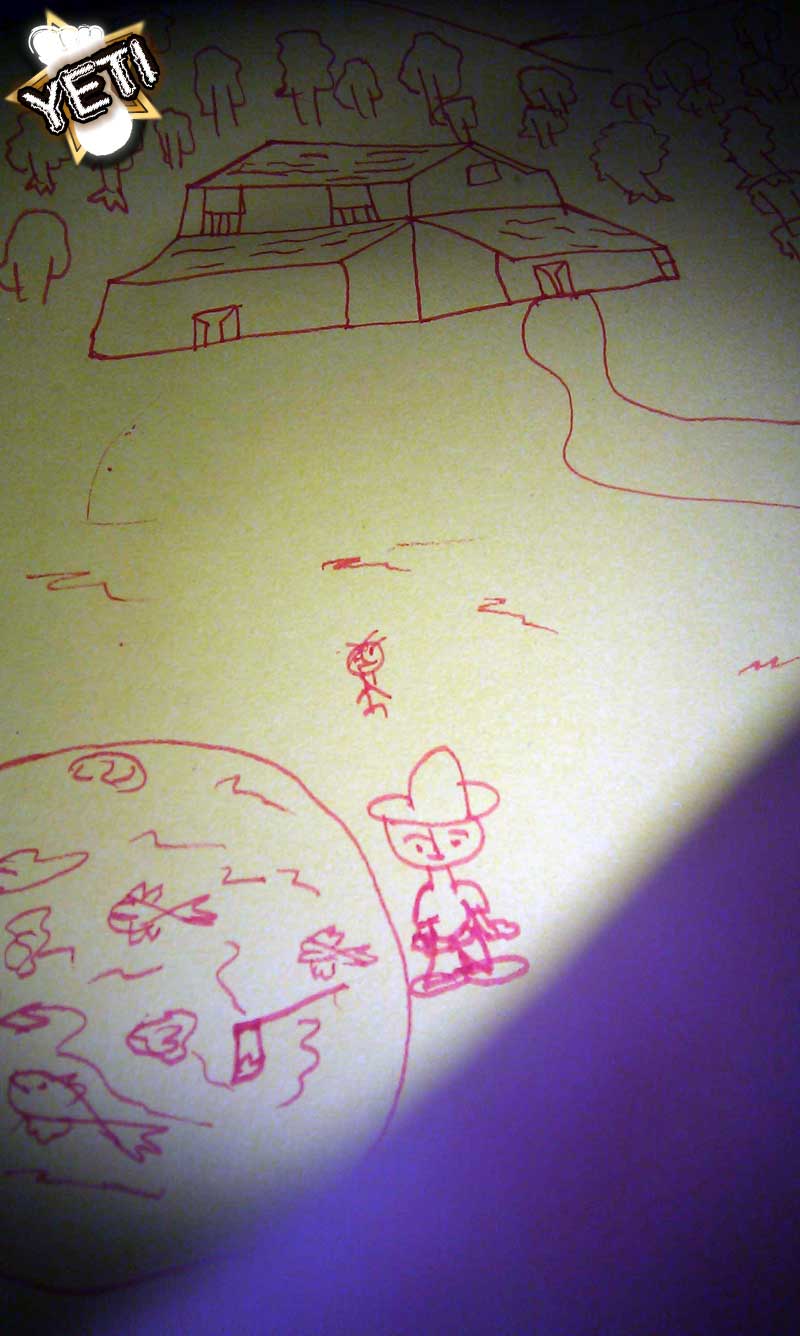
However when he started to cut down a tree the head of his axe flew from his grasp and land “SPLOSH”, in the lake. He was very sad and sat down holding his head in his hands.

Then as if by magic a magical creature appeared before him and said “don’t worry, here I have your axe”, and presented the wood cutter with a golden axe. The wood cutter however said “that is not my axe” and returned to holding his head.

Then for a second time the magical creature appeared saying “do not worry so, for here I have your axe”, and held out to the wood cutter a silver axe. But again the wood cutter looked at the axe saying “no, this is not my axe” and he returned to holding his head. Finally for the last time the magical creature returned saying “worry no more for I have your axe” and showed the wood cutter an iron axe.

“Yes” said the wood cutter this is my axe, and he was very happy and took the axe and began to cut the tree once more. However the magical creature did not go away and said to the wood cutter “because you were so honest in saying that the golden and silver axes were not yours then you can have them as well”. Well the wood cutter was very happy indeed and by selling the gold and silver his family were able to have a beautiful house and live happily ever after.
It is exam time here so the children at Life Vision Academy stayed after school and into the evening to tell me their stories. We finished the day with some lovely soup.
Meeting the Children of Kathmandu
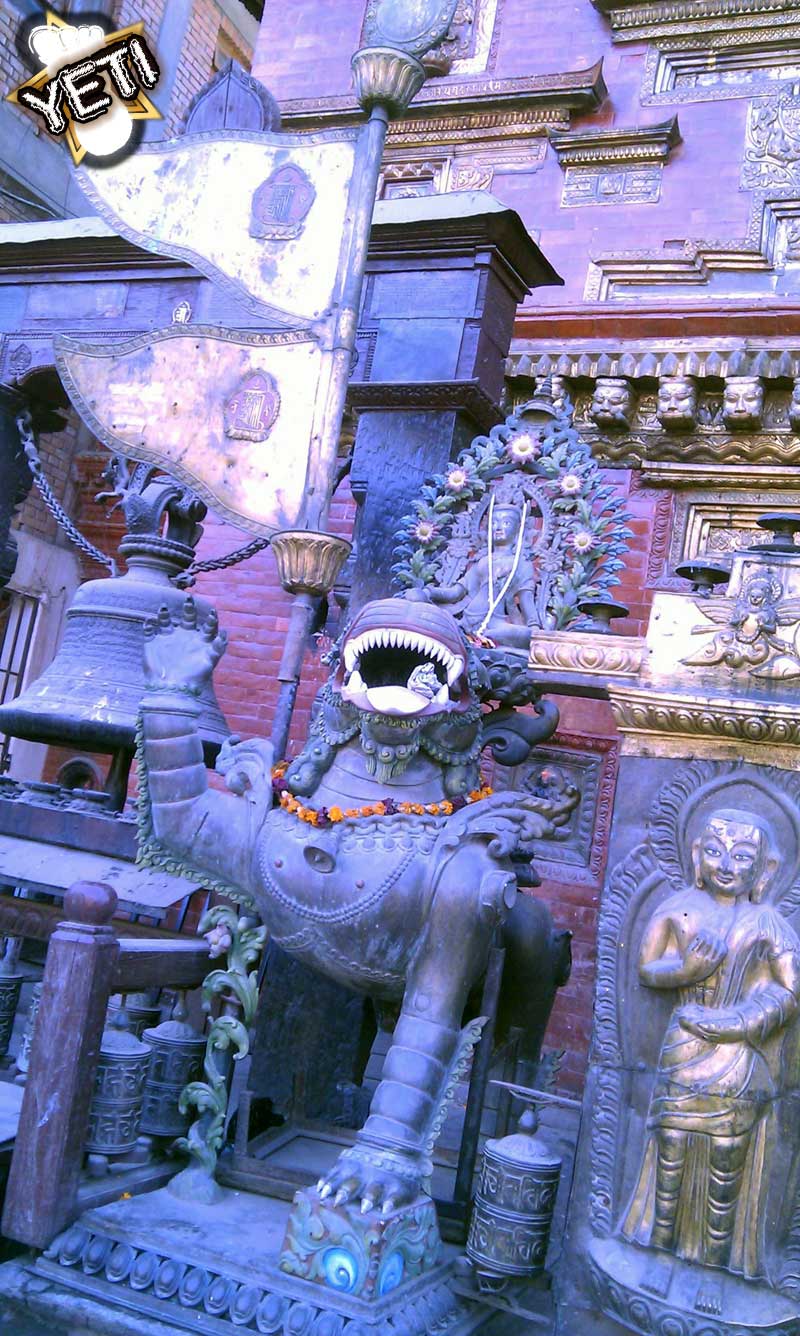
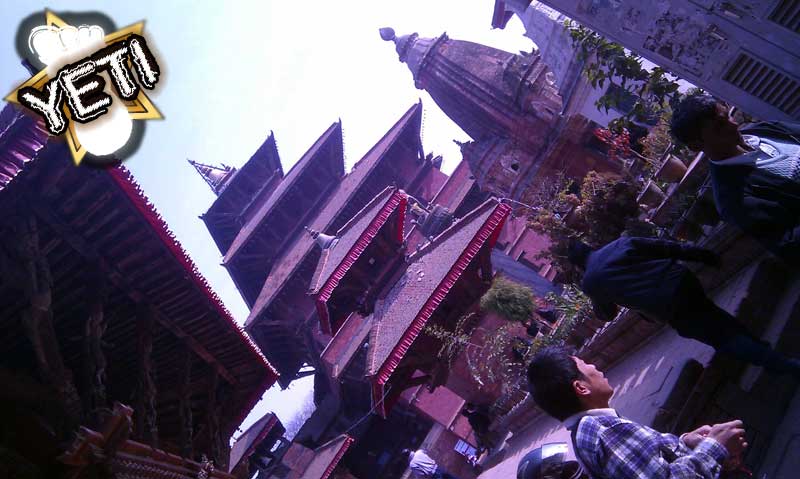 Kathmandu! Arrrrrh….. intrepid fairy-tale hunters, what can I tell you of this teeming mountain home of thousands? Perhaps at first glancing out from within a sardine-can bus it comes upon a passing traveller as cart-wheeling bursting DIY concrete rice fuelled metropolis, its narrow streets swarming with herds of jostling motorbikes and tuk-tuks struggling for space under a blanket of heady fumes. Or maybe more accurately after a few days exploring the shadows of the exquisitely carved arches of multi-gabled temples that beckon you to enter from every street corner, you will hear the growling of the guarding dragons that recount a history that appears lost in myth and magic. In ancient times travelling merchants, mystics, monks and royal households descended the paths of silk and spice from China to far distant Europe, carried perhaps on the backs of strange and peculiar animals and machines never seen before so far from home. A citadel, once separated from the rest of the world for generations that retains some of the greatest stories of adventure ever told by travellers and locals alike around the fires that keep the Himalayan winter nights at bay.
I am just the latest in a legacy of adventurers to taste what has always been an exuberant dancing cacophony of human cultures. Modern Kathmandu is changing fast with millions of people from across Nepal, India and Tibet making it their home.
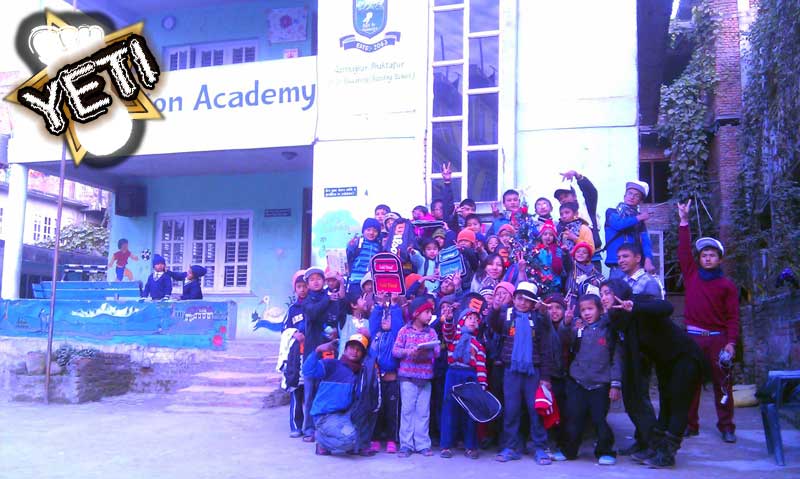
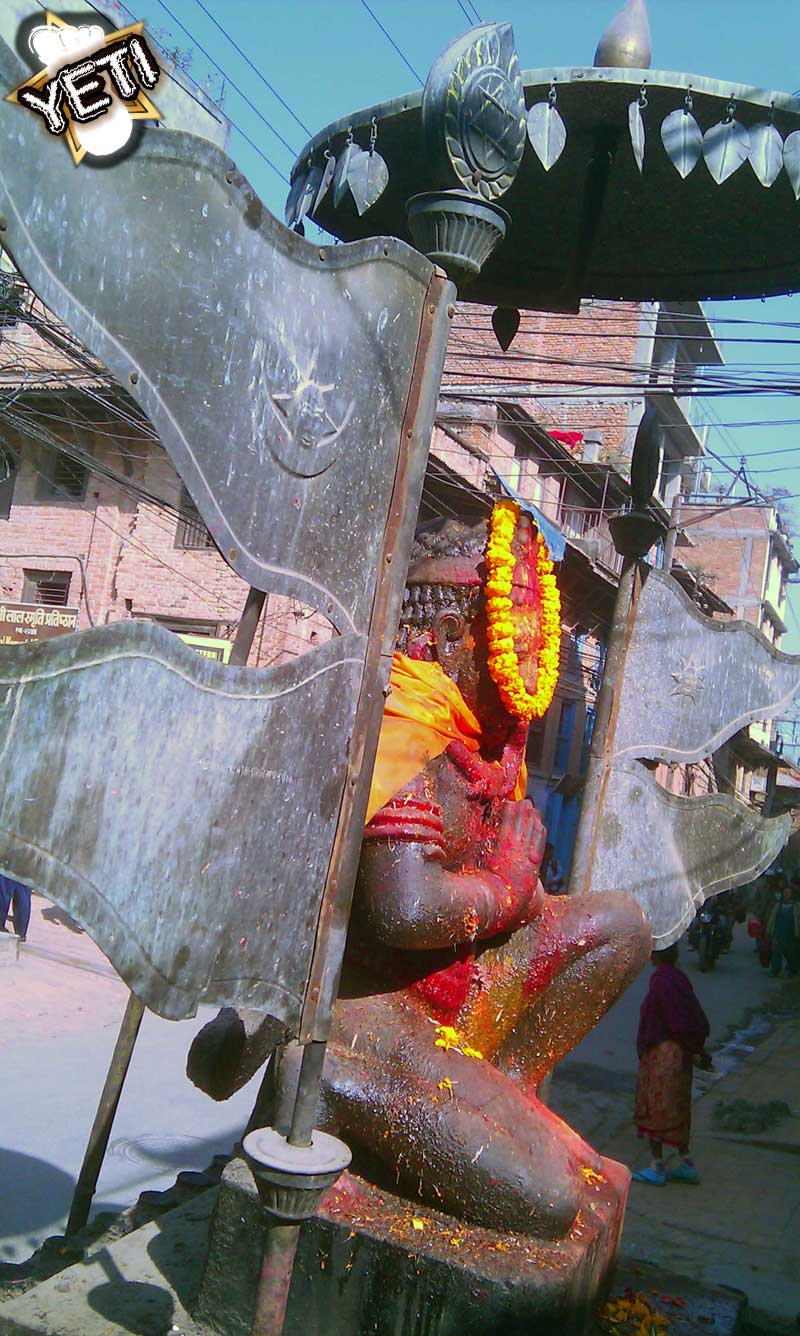 See if you can find where I am staying in Kaushaltar, it is in the district of Bhaktapur on the fringes of town. This is where we meet the children of the Life Vision Academy. They are perhaps fifty in number and have come from all over Nepal to live in this school. We will hear their amazing stories of survival during our time with them, as they join Hylton Red House and Old Hall Drive Primary Schools in England to search for the fairy-tales from the mountains that surround this valley. Take a look in the galleries for our art work and listen to the Nepalese language in further articles.
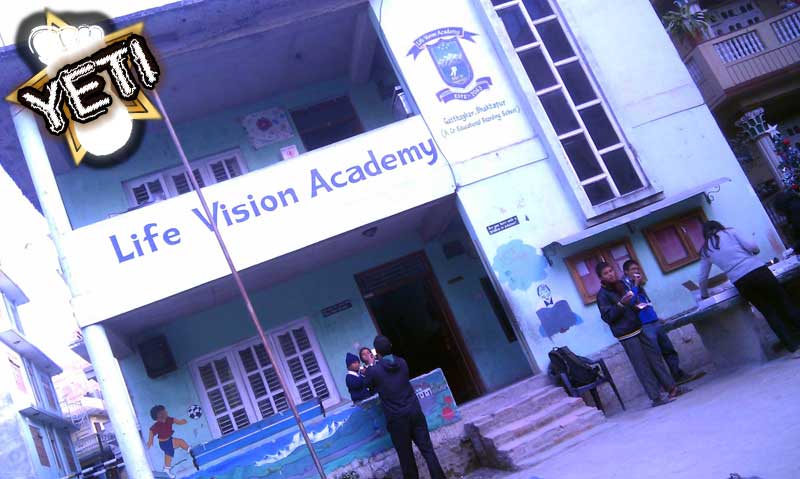
 Hello to Hylton Red House and Old Hall Drive from Kathmandu!
The journey so far……
Hello fairy tale hunters across the world, and a massive thank-you for helping me on this adventure and for following us on this website. December has seen me fly across the world forward in time to arrive in the land of India. Here in Kolkata I began to search for clues for our hunt and found them hidden amongst the dusty shelves and in the tales of the book shop keeper.
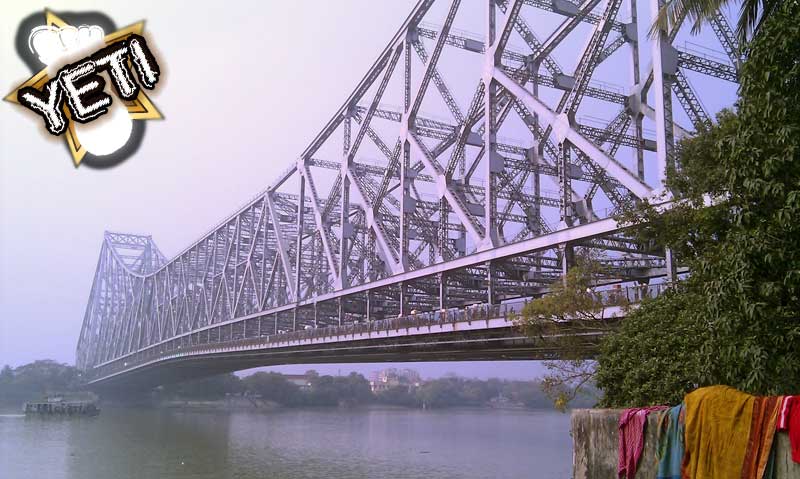
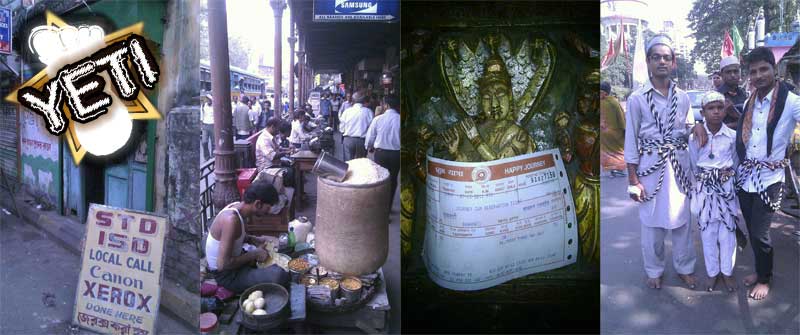
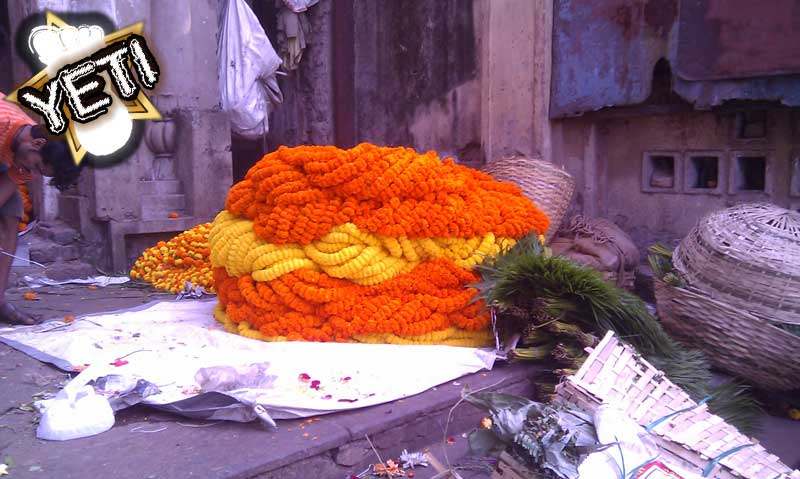
I dived into the sights and scents of Kolkata. It is a city bursting with life on the pavements, where the inventions are made from recycled parts of everything you can possibly imagine. Crumbling colourful palaces are woven together with labyrinths of passageways teeming with the jangle of car horns and Bollywood dance music. It is as if people are being carried through the narrow streets on gushing torrents of invisible water, swept towards flower soaked temples or dancing on a never ending merry-go-round of chatter and bustle. It was a perfect start to our adventure as I was plunged into an exotic culture over flowing with fairy-tales, myths and religion of every kind.
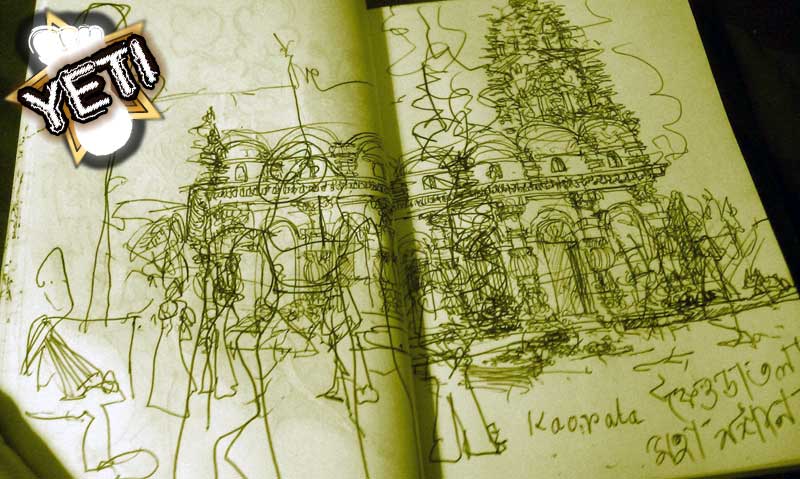 With only a week to spare I was fortunate to meet a fellow adventurer, called Eric who is making a film about his search all over India for a very special musician. I was invited to the opening event of an art exhibition of Bengalis’ most famous new young artists and I met a relation of Tagore Baba who has invited me to stay at a wonderful school on my return from the mountains. After finding my feet in such an exciting melting pot of the senses I turned my thoughts to the journey north, boarded a boat and then a train and finally a bus over three days to Nagaland.
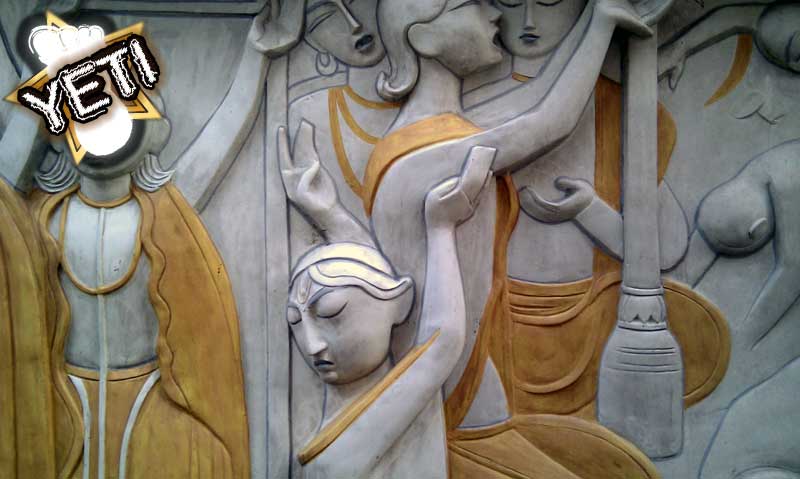
 Nagaland is just one of seven lands in the far north east of India of the boarders of the Himalaya. I found tribal communities living in houses woven from bamboo and surrounded by lush jungle teeming with life. All of the villages were busy with the excitement of festival season and everywhere the streets were decorated with flags. The roads were often simple small dusty tracks clinging to the sides of the undulating jungle carpeted hill sides, too small for cars or recovering from being washed away by tumbling waterfalls. I spent a week delving into the local customs and was fortunate to meet teachers and tribal guides who have joined our hunt and will send us stories. I hope to return to this land of the Naka tribes on my way back from Nepal as I have been invited to stay in the tribal villages of Mon, where the elders will tell us there fairy-tales of the jungle yeti. Maybe I will pass through more of the tribal village giant wooden and stone gateways and see their collections of skulls.
Throughout this adventure I have sent several videos, sound tracks and articles to the web-site so everyone in the team can send me “missions” that include ideas about where to go and what to do. Some of the first tasks were to understand the languages and discover any local tools for finding fairy-tales and you can find the results with-in the site galleries.

In Nagaland I was invited into two schools and there children were very excited to listen to the ideas of the “Hunting for fairy-tales of the Yeti” quest and to look at the pictures of the art work from the English schools. They have their own ideas too and they will email them to us on the site.
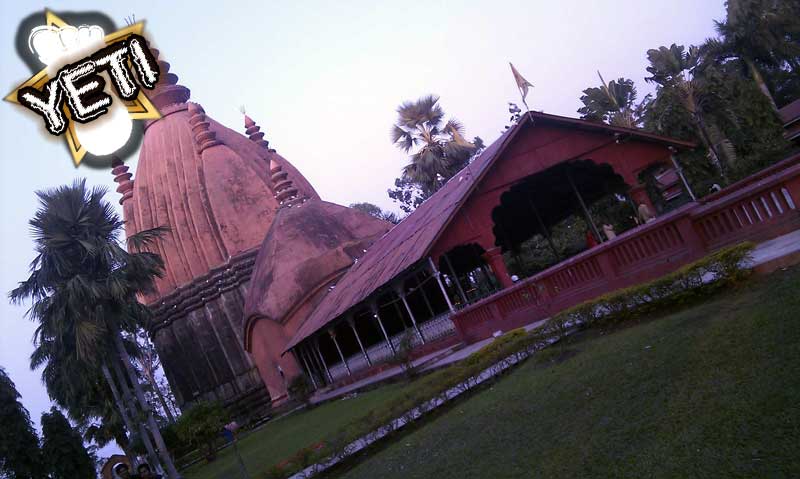
 All too soon I left the north east and rumble-tumbled my way towards the Himalayan boarder through Assam. It was very different yet again and I was treated to the site of my first elephants and monkeys of this journey. Religion and culture changed within one cascading bus ride and the scenery opened out into rice field planes and water buffalo. You can listen to the sounds of Assam in the other articles.
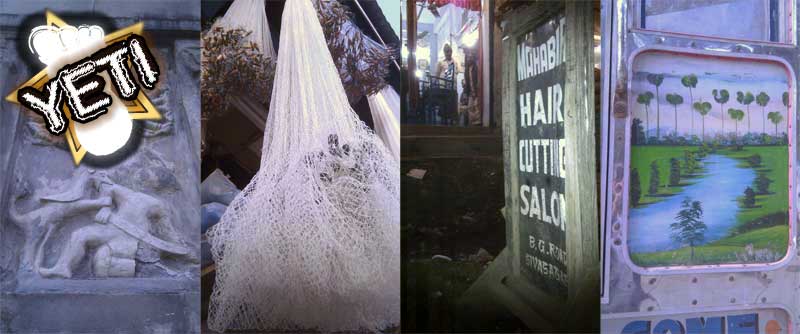 After nearly three weeks of every changing trains and buses bursting with families and a myriad of street foot food , through teeming smoky overflowing cities, endless horizons of rice fields bathed by the wings of giant birds, rhythmic undulating steaming tea plantations, the dripping coconut and pineapple jungles and the chitter chatter of over six different languages, through the dusty dawn of the 20thof December I walked over the border into Nepal. Though not content to stay in the foothills, I rattled all the bones of my body one last time, on my way through the day and night switchback via switchback to Kathmandu.
 Join us and read on, through our journey and quest to find the fairy-tales of the yeti. Discover the school children and teachers of Kathmandu who become part of the school team. How I delve into the rapidly changing Nepalese culture and travel to the toe tips of the roof of the world.
The long journey from Nagaland to Nepal.
Third week of December.
Twisting, buckling, bumpy and tyre bursting knuckles rides. Jungle tangled missionary outposts fizz in sultry heavy clouds as giant bamboo chop sticks squewer cliffs drenched by towering water falls. This is the land of the Miaweno and the Oa. These are their mountain homes where they kindle spirits and demon stories.
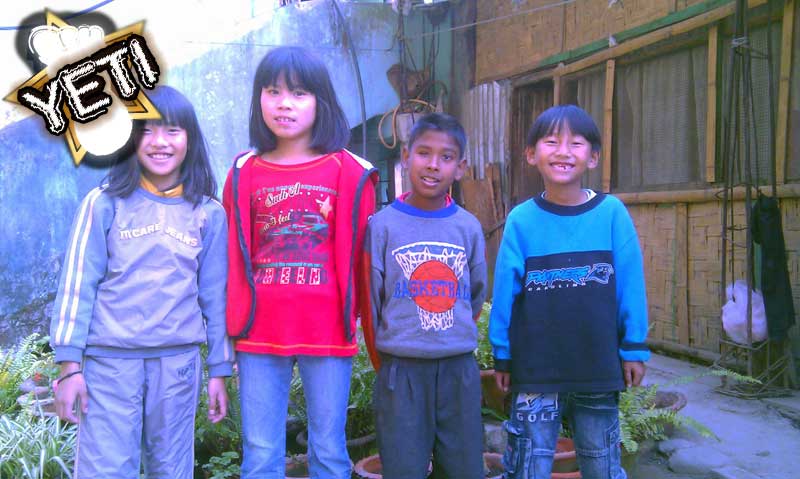
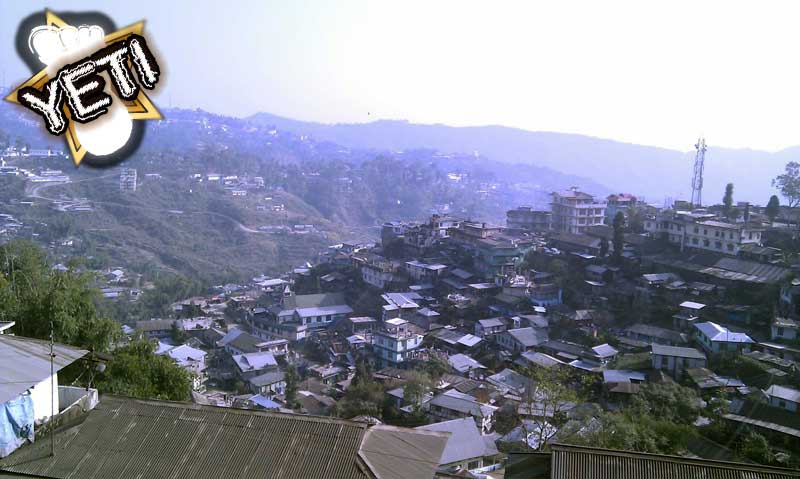 Here I met some new friends in a local school and they will send us their fairy tales of the jungles.
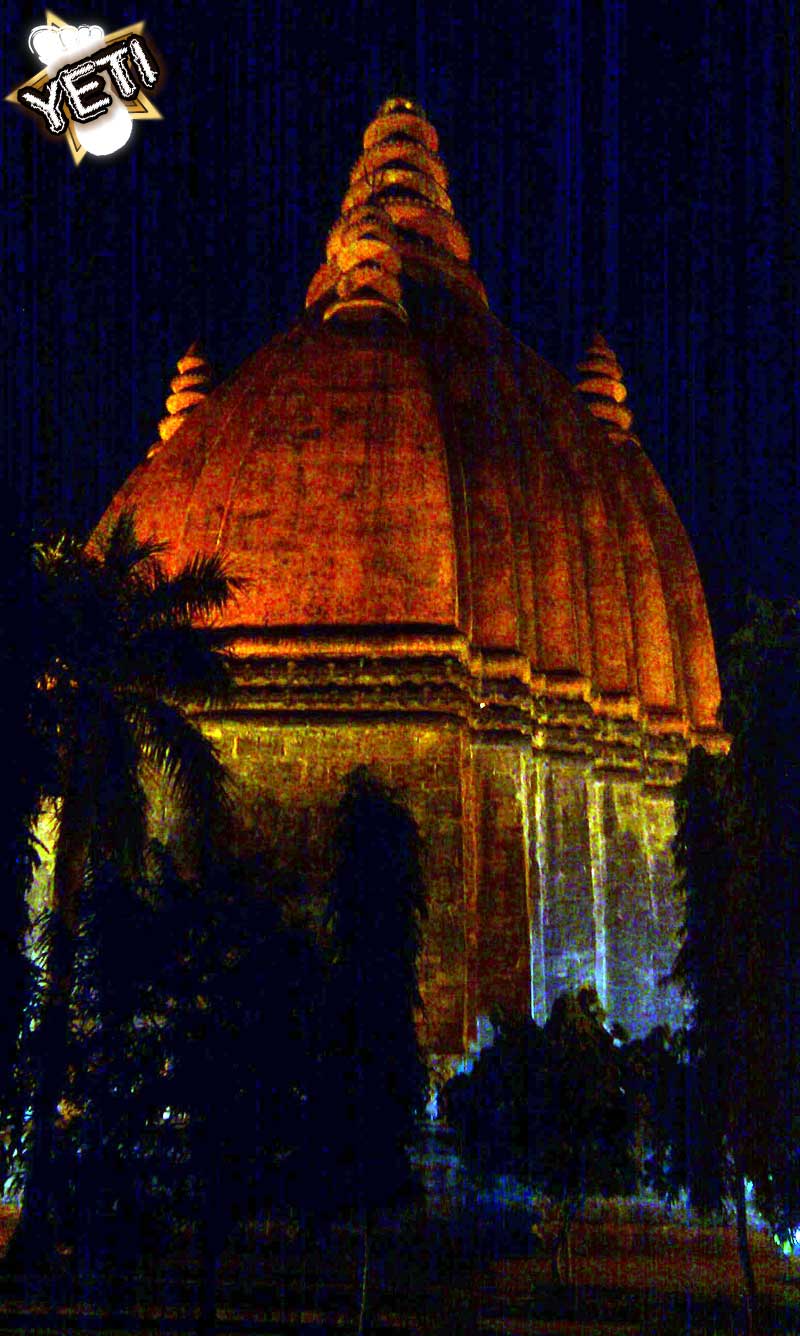
I descended from the peaks back into Assam. The house grew legs across the flood plains as the woven walls returned to bricks. The mists changed into dusty roads under the paths of great big hard working elephants chained to their heavy wooden loads. Peoples face change too as their religions change with them, from tribal shamanism, Baptist Christens to Hindi. Listen to the sound tracks!
So many miles during the night are crossed as I move to the eastern boarder of Nepal. I’m confronted by transport strikes, passport controls, changing money and languages. After four bus journeys and two trains, two Bollywood films and cliff hanging mountain passes through the clouds over four days you find me here in Patan, in Kathmandu.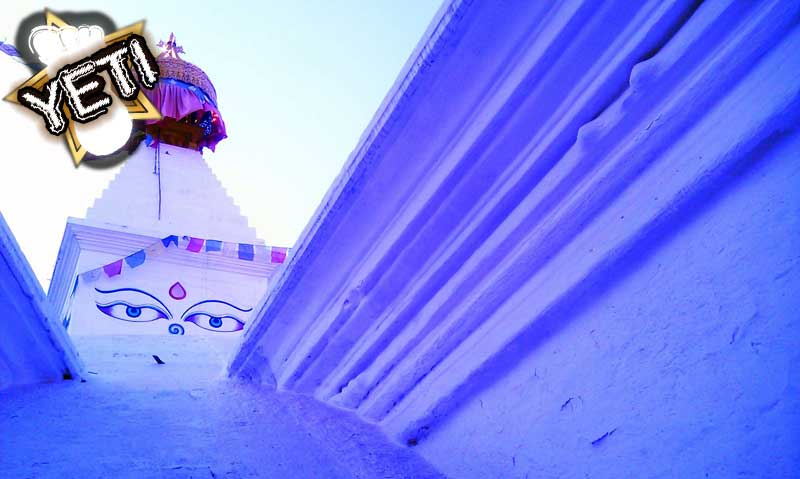
Kohima. Second week of December
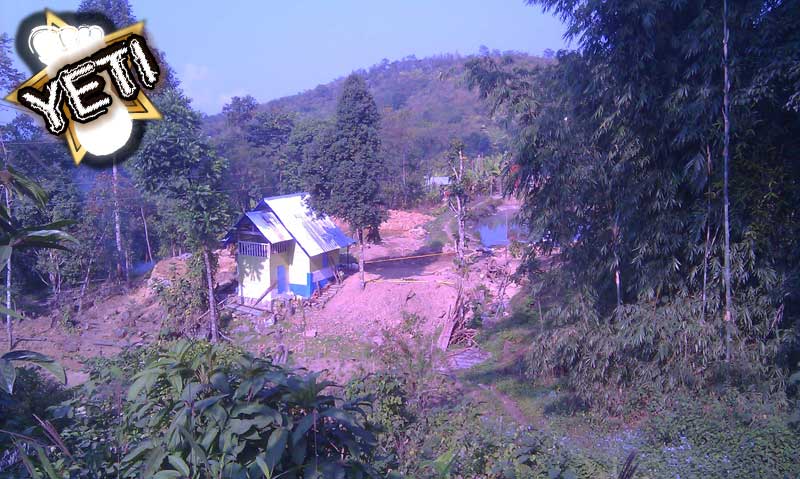
Thick bamboo and pineapple forested mountains veiled in deep blankets of mist drawn up close from Bhutan keep Nagaland from the chills of their winter.
A fairy-tale hunter sleeps across the rumbling ox grazed rice fields and shares the food of a family from Arundel Pradesh, as the Jan Shatabi Express night train from Kolkata traverses West Bengal, glides over the Brahmaputra and slips into Assam.
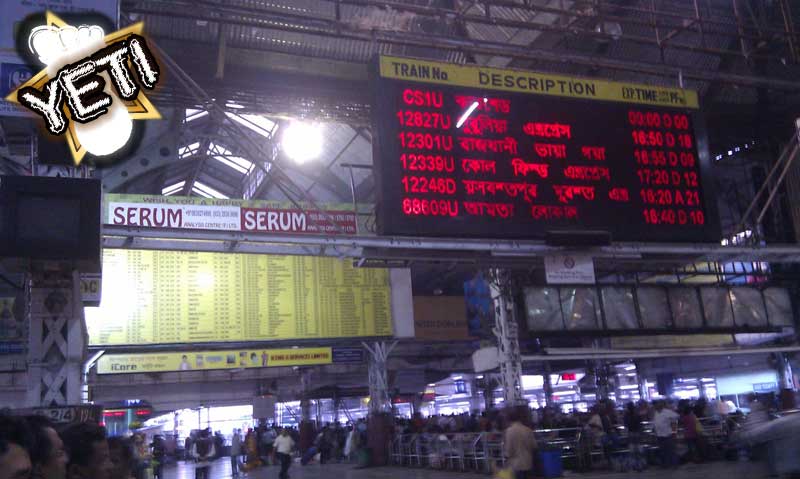
His bag is now heavier with stories from Kolkata; “Haro the Croc, The Magic Wrap and Why Pigs are so Dirty”.
Hello fellow artists from the land of the Naka at Toucan festival time. I’ve travelled yet further into the forest of the future and write to you from at city built on top of a mountain ringed by jungle inhabited by snakes and bears. Here Mithun skulls look out from under Kikek gables and old stories are told of the times of head hunting.
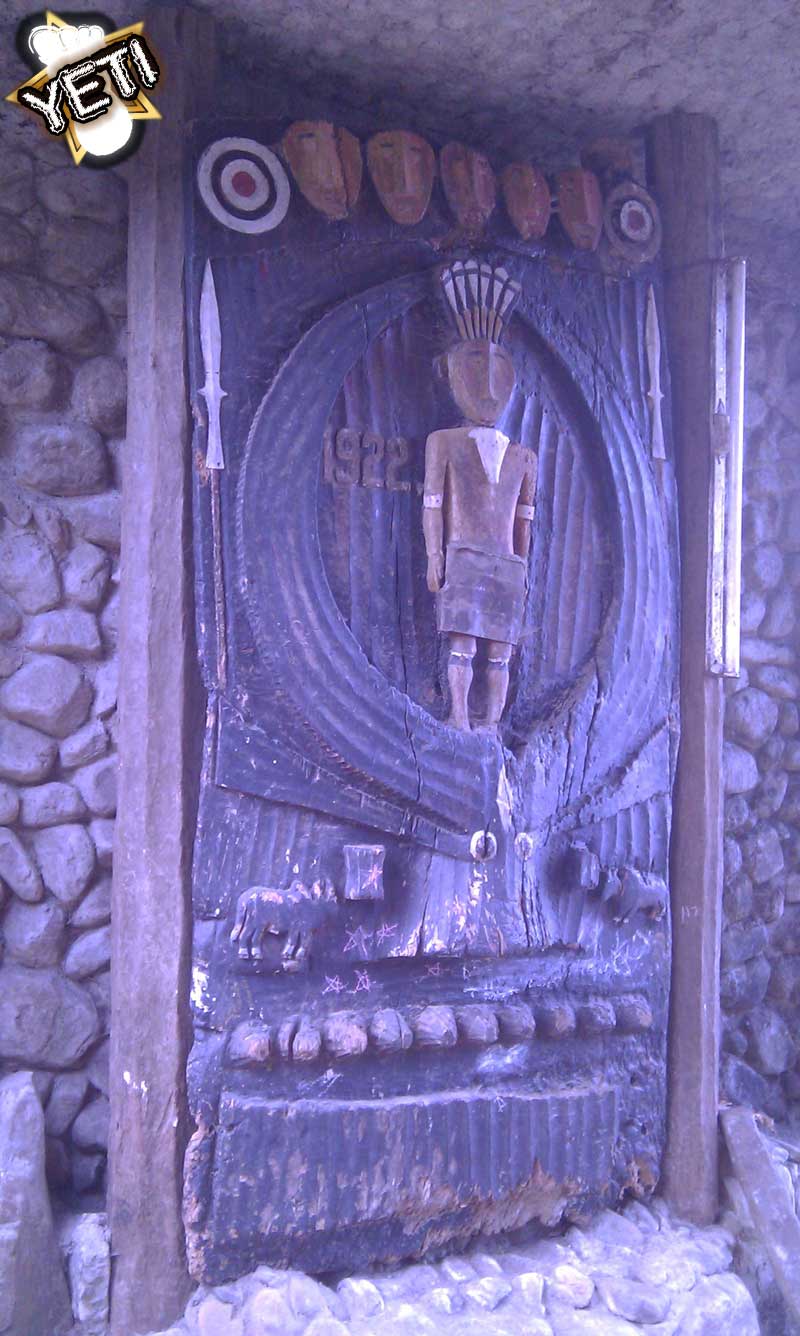
Here the rainfall is even more than in Manchester and the wells deeper than in Sunderland. I’ve grappled with Bengali to get “panni bottles”, with ordering “khorika” in Assamese and now am trying my lips at Nagalese, which may bring me a wriggling plate of “borol”.
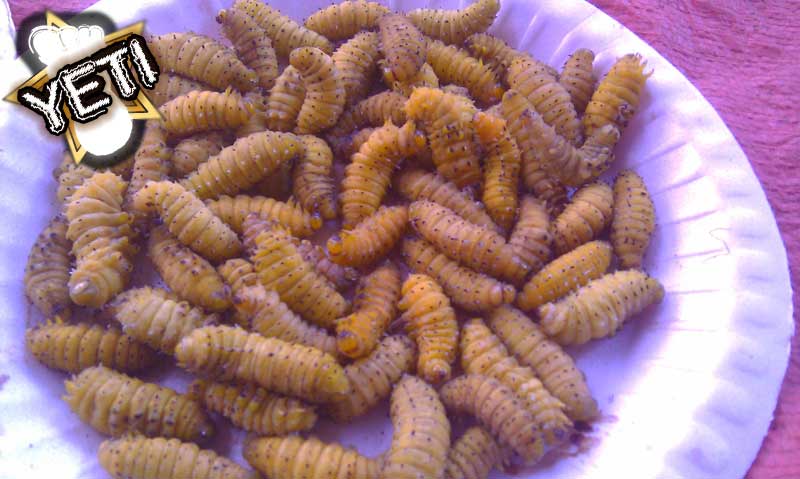 Oh…. It did!
Blog: Week One. December 5th 2011.
Blog: Week One.
Date: December 5th 2011.
Site: Kolkata, India.
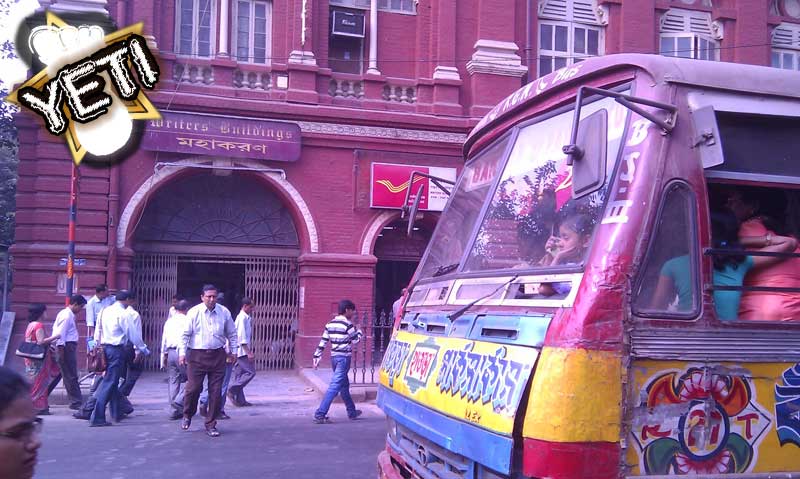
What I’ve done: I landed safely and the family of a man I met in the sky on the way here drove me in their car all the way to where I was staying (the area is called Swiss Park). Then I slept for a whole day! I ventured into the colourful and noisy streets many times, sometimes getting totally lost and having to use the underground train to get home. I started by following your mission to learn the language. It is Bengali; though so far all I can remember is “dude” which means milk.
I’ve met some children from Tibet at an art exhibition and they say that I will definitely find fairy-tales of the yeti in the mountains where they are from (see if you can find their country).
I’ve taken lots and lots of pictures and films, so keep watching the website to see them as I send them across the world to you.
Oh yes I have to eat with my hands here (only my right one of course). Goodness the food is very hot and spicy.
What you’ve done: your teachers have sent me a lot of pictures from the work that we did together and it is great to see them in the galleries on the website. I hope you can see them in your classroom. You had lots of fun using your imagination to think about what you would like me to do and you started your own stories by drawing pictures and making sculptures (can you remember what they were?). Thank-you very much for doing your homework and joining the Guild of Fairy-tale Hunters I’m sure that you are proudly wearing your special badges. See if you can spot them in the pictures.
What I want you to do for me: I would like you to remember what the tools were which you designed for me. Maybe you could send me some funny and imaginative pictures from your schools so I can show them to the children here. Can you send me a message with the best ones and don’t forget to send me my next mission.
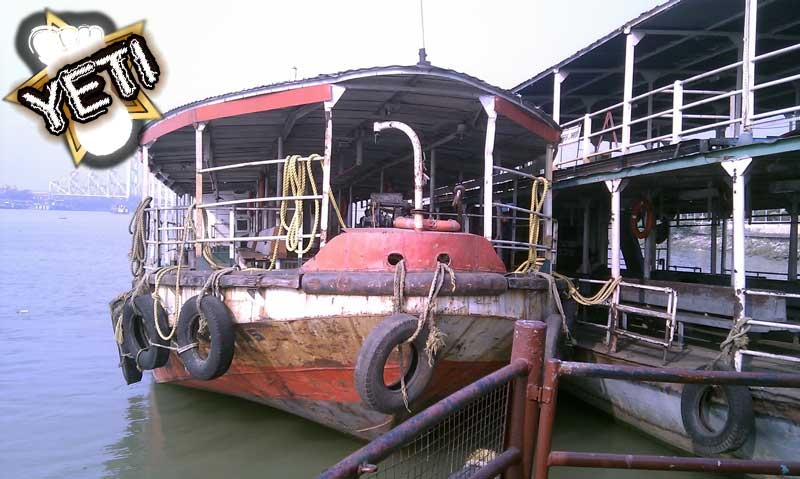
Where next: I’m heading to the book bazar to hunt for fairy-tale books then to catch the river ferry to the train station. From there I will catch the over-night train to Guwahati in Assam (try and find it on the map on the website, remember you can follow where I am on the map as well).
I look forward to hearing from you. Bye for now.
Log: Kokata, India. First week of December 2011
Hello to you all and thank-you for helping me as I set off on this adventure. Travelling nearly six hours into the future is a little tricky, as I’m sure you can guess, so it has taken a little while to adjust to the surroundings. You will see in the Control Centre on the website that I have my first “Mission”, which is to understand the language people speak here. I hope that you will listen to some of the sound tracks I’ve sent as clues, to let you know what my ears are hearing. IT’S VERY NOISEY!
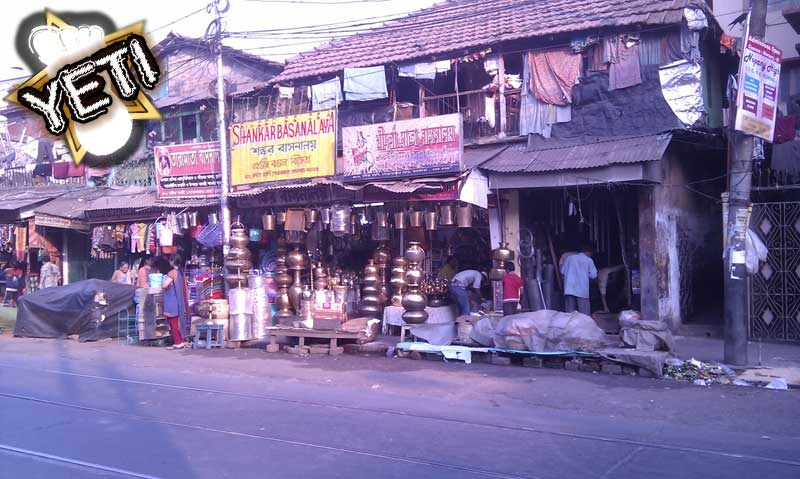
It’s hot, it’s dusty oh and did I mention the noises? (BEEP! BEEP! BEEP!). I’ve included some pictures of the many ways that people get about here, from trams (there’re not like the ones in Manchester) to rick-shaws. I’ve noticed that the buses have no windows and look like they are made from wood, they remind me of some of your imaginary drawings we did together. As for the smells, well my nose is continually full of exotic spices, incense and clouds of dust (aaaaaaaaaa chuewww!).
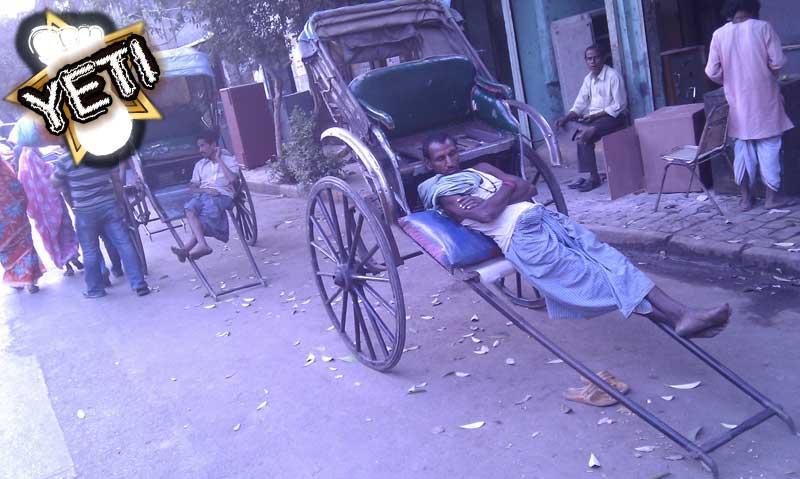
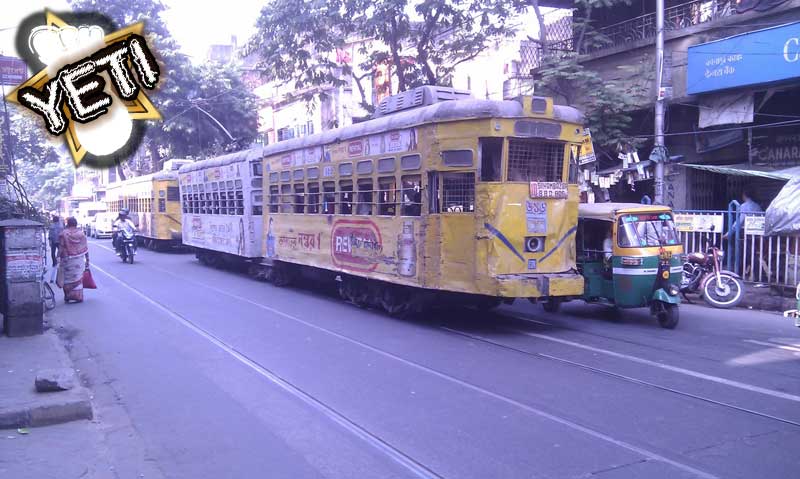
Lots and lots of people live here, some in home-made tents on the pavement, including children and babies. I’ve seen many children working, cooking and cleaning in the markets, even building the pavements by hand. Actually most of life seems to take place on the pavements, they are so full of people making, and recycling and fixing things that most people end up walking in the road.
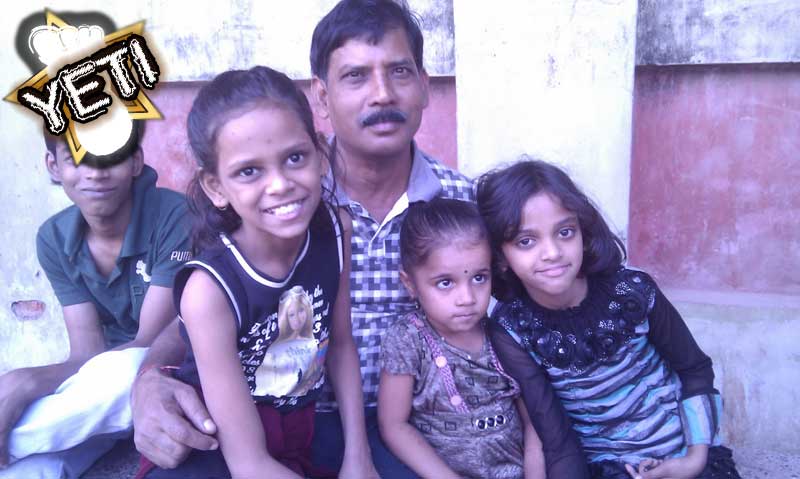
Luckily I’ve found a good place to messages to you from, it might not be so easy over the next few days as I’m heading north soon into Assam. Assam is near Bhutan, which is famous for Yeti’s. I must remember to try to get some fairy tale books from the book market here I’ll let you know how I get on).
Kolkata is awash with art and I am already doing lots and lots of drawings in my sketch book. In fact there is singing, dancing, radios, load speakers and beeping horns coming out of every window. The city is a treasure trove of imaginative creation that is constantly changing day and night.
Did you see the picture of the post box I put up? Imagine what it would be like communicating without the internet?
Can you imagine what the train to Assam will be like?